Uncategorized
Unlocking the Secrets of MHRB: History, Uses, and Science of Mimosa Hostilis
Jul
Unlocking the Secrets of MHRB , If you’ve spent any time exploring ethnobotanical communities, natural leather crafting, or indigenous herbal medicine, you’ve likely run across the acronym MHRB.
MHRB stands for Mimosa Hostilis Root Bark (botanically known as Mimosa tenuiflora). This remarkable tree, native primarily to the semi-arid regions of northeastern Brazil and southern Mexico, has captured global attention for its diverse applications.
Let’s explore what makes this plant so special, from its ancient cultural roots to its modern scientific and industrial uses.
What is Mimosa Hostilis?
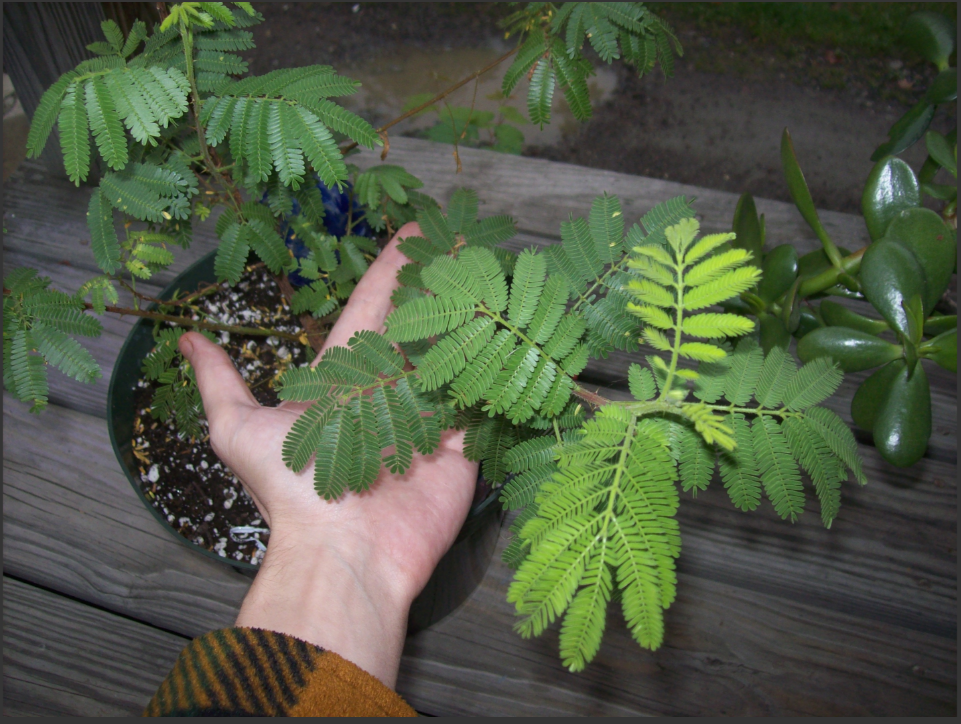
Mimosa tenuiflora (syn. Mimosa hostilis) is a perennial shrub or small tree in the legume family (Fabaceae). It is highly resilient, thriving in dry, drought-prone shrublands. Locally, it goes by several names:
- Jurema Preta (in Brazil)
- Tepezcohuite (in Mexico)
- Calumbi (in parts of South America)
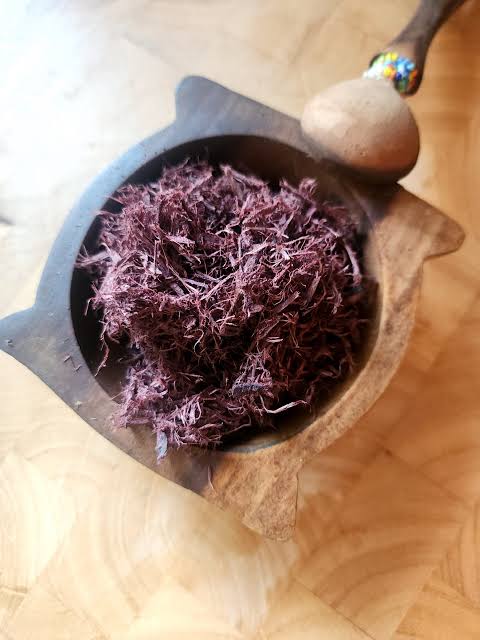
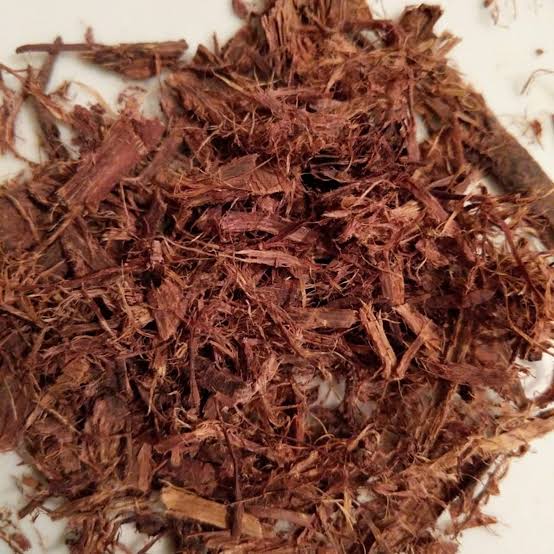
The plant features fern-like, pinnate leaves and small, fragrant white flowers. However, the real treasure of the tree—and the focus of most global interest—lies beneath the surface in its dark, reddish-brown root bark.
Traditional Uses: From Ancient Medicine to Sacred Brews
1. Traditional Mayan Skin Healing (Tepezcohuite)
In Mexico, the bark is famously called Tepezcohuite—a name derived from the Nahuatl word tepus-cuahuitl, meaning “metal tree” (referring to the hardness of its wood). For over a thousand years, local populations have ground the dried root bark into a powder to treat skin issues, severe burns, and open wounds. Because of its powerful astringent and antimicrobial properties, it acts as a natural protective barrier that accelerates skin regeneration.
2. The Jurema Cult of Brazil
In northeastern Brazil, Mimosa hostilis is deeply spiritual. Indigenous tribes like the Kariri-Xokó and the Pankararu have used the root bark for centuries to brew a sacred, psychoactive drink known as Jurema Wine (or Vinho de Jurema). Used in divination, healing ceremonies, and communication with ancestors, the plant is viewed as a sacred teacher and a doorway to the spiritual world.
The Science Behind the Bark
What makes MHRB so versatile? The answer lies in its rich phytochemical makeup.
| Key Compound | Approximate Content | Primary Modern Use / Effect |
| Tannins | ~16% | Natural leather tanning, textile dyeing, skin-tightening cosmetics |
| Flavonoids & Lipids | Variable | Powerful antioxidants that soothe inflammation and protect cells |
| Alkaloids (DMT) | 1.0% to 1.7% | Entheogenic research, traditional spiritual brews |
A Note on Legality & Chemical Activity: While the plant contains N,N-Dimethyltryptamine (DMT), buying and selling MHRB is legal in most countries when sold specifically as a botanical specimen, cosmetic ingredient, or natural dye. However, extracting the alkaloids or preparing them for consumption is strictly illegal in many jurisdictions. Always check your local laws before purchasing.
Modern Practical Applications
Today, interest in MHRB has shifted from traditional rituals to everyday, natural craft and skincare:
- Natural Leather Tanning: Thanks to its high concentration of vegetable tannins, MHRB is used in traditional leather workshops to cure animal hides. This process strengthens the leather and gives it a highly sought-after, rich reddish shade.
- Textile Dyeing: For artisans working with natural fibers like cotton, wool, or silk, MHRB powder serves as an exceptional organic pigment. It produces beautiful, earthy tones ranging from soft purples and dusty pinks to deep, dark burgundies.
- Skincare and Cosmetics: Ground Tepezcohuite (MHRB) powder is an active ingredient in many high-end anti-aging creams, acne treatments, and hair care products due to its ability to soothe inflammation and stimulate collagen production.
Sourcing Sustainably
As global demand for Mimosa hostilis grows, sustainable harvesting has become a major concern. Strip-harvesting the root bark can easily kill the tree if not done carefully. If you are sourcing MHRB for crafts or skincare, look for suppliers who practice “inner-root-only” harvesting—a method that allows the tree to heal, regenerate its bark, and live on to keep the local ecosystem thriving.
