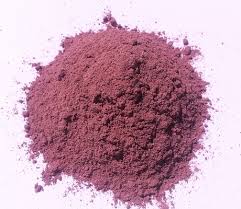
Mimosa hostilis Inner Root Bark (MHRB) – Powder
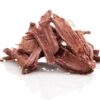
Price range: $110.00 through $800.00
BOTANICAL CLASSIFICATION
FAMILY: Fabaceae (Leguminosae; Mimosaceae)
GENUS: Mimosa
SPECIES: Mimosa Hostilis (Mimosa tenuiflora)
ORIGIN: Brazil see here our Mexican variants
COMMON NAMES: Jurema, Tepescohuite, Cabrero, Carbonal, Jurema Preta, Calumbi, Black Jeruma, Vinho de Jeruma, Yurema
Mimosa Hostilis Inner Root Bark (MHRB) – Powder
We offer high-quality Mimosa Hostilis inner root bark from a reputable Brazilian source with years of harvesting and processing experience. We believe our store offers the finest Mimosa available on the market. mimosabarkshop always provides a freshly harvested batch rather than old stock!
Our supplier uses sustainable harvesting methods and collects only one root from each plant. In contrast, greedy suppliers kill entire trees just to collect all their roots.
The pastures supplying our harvest require no chemical pesticides. Grass and herbs grow naturally during the rainy season, while the six-month dry period naturally controls pests. Our processors use no chemicals or extra additives during production.
Workers transport the cleaned inner root bark in boxes to a clean, sealed glass greenhouse to prevent product contamination. The bark dries under 70% shade for a few days before clean machines grind it into a fine powder. Staff then filter the powder to remove filler fibers and quickly pack it in plastic bags.
Our efficient logistics system processes small quantities several times a week to preserve the bark’s functional components. Removing filler fibers makes the final product 30% more concentrated, giving you 130% pure inner root bark compared to standard sources.
What to Know About MHRB
Mimosa tenuiflora (also known as Mimosa hostilis and Acacia hostilis) belongs to the Leguminosae family. People in Brazil popularly call it “calumbi” and “jurema preta.” M. tenuiflora is a common shrub or tree native to tropical deciduous forests ranging from southeastern Mexico to northern Brazil and Venezuela, where it grows as secondary opportunistic vegetation.
This legume tree reaches 5 to 7 meters in height and contains high levels of tannins. Farmers rely on it as an important forage plant to feed small ruminants in the “caatinga” (semi-desert vegetation in northeastern Brazil) during the dry season.
Studies on M. tenuiflora demonstrate strong potential for healing scar tissue. Mexican ethnobotanical sources report that applying dried powdered bark directly to a lesion effectively treats skin burns and wounds. Residents in the Palmeiras district at Contendas of Sincorá (Bahia State, Brazil) use M. tenuiflora bark to treat coughs and heal wounds. Additionally, a standardized tannin extract from M. tenuiflora bark shows excellent therapeutic properties for treating skin venous leg ulcers, alongside strong in vitro antimicrobial action against various microorganisms.
| Qantity | 1kg, 2kg, 5kg, 10kg |
|---|
Be the first to review “Mimosa hostilis Inner Root Bark (MHRB) – Powder”
Related products
MIMOSA HOSTILIS ROOT BARK
MIMOSA HOSTILIS ROOT BARK
Reviews
There are no reviews yet.